
The sentiment is all over the place. Neil Gaiman in his Make Good Art speech: “If you’re making mistakes, it means you’re out there doing something.”
Pema Chödrön, in Fail, Fail Again, Fail Better (Commencement Speech at Naropa University, Boulder, CO, 2014): “I thought if there is one skill that is not stressed very much, but is really needed, it is knowing how to fail well.”
Or maybe, “Crashes are hell, but in the end they’re good for us. A crash means we have failed. We gave it everything we had and we came up short. A crash does not mean we are losers. A crash means we have to grow.” This is from Steven Pressfield’s Do The Work!
Thomas Edison famously said, “I have not failed. I’ve just found 10,000 ways that won’t work.”
And in Leon Logothetis’s Live, Love, Explore, he expounds on this facet: “We were sure that [doing what we wanted to do in life] would lead to certain death. So instead, we lived in fear. We learned to weigh the risks of our lives, to limit our dreams to the expectations and demands of others.”
Obeying fear is a surefire way to accomplish nothing. Seth Godin would call this, “listening to our lizard brain.” But when we take risks, we open up to possibilities that can lead to a life that is full and meaningful. Taking chances allows us to explore and follow our dreams, which will in turn bring us joy and fulfillment. Fear should never be the driving force in our lives.
The fact that there are so many creatives and successful individuals out there telling us that failing is okay is what makes us believe that it is okay. Taking risks, flying towards our fear, will make us not only who we are meant to be, but also awesome.
I apologize if this is quote-heavy, but there is a wonderful passage attributed to Martha Graham: “There is a vitality, a life force, an energy, a quickening that is translated through you into action, and because there is only one of you in all time, this expression is unique. And if you block it, it will never exist through any other medium and will be lost.”
We have one opportunity, as we are now, in this lifetime, to create something. To be something. To be our own unique selves. We should take advantage of this opportunity and create something that will last, something that will make a difference. We should strive to be better versions of ourselves and make a positive impact on the world around us. Let’s take this chance and make something meaningful out of it.
I’ll contradict myself throughout subsequent posts, both saying that all of us are interconnected and the same, and yet unique at the same time. We can still continue to be ourselves and be unique, while also being part of a bigger picture. We can use our individualism and creativity to make something positive and lasting.
I am on, as I believe everyone is on, a journey of discovery. I’ll learn more, and say more, and have thoughts, and be both unique, and yet like everyone. But I also believe that we all have a gift. We all have something special to offer the world. It is our responsibility to find this gift and use it to bring joy and success to our lives and the lives of those around us. We are all possessing of a singular quality that makes us “I”. Maybe we don’t know what it is all the time. But if we’re open to exploring ourselves, and taking the time to discover our uniqueness, it can help us become more confident and secure in our identity. We can learn to appreciate and celebrate who we are and embrace our individual gifts. This can help us to become better people and to lead more fulfilling lives. We can take risks. We can try new things. And if we fail, well…
Fail big. It means you’re out there doing something.
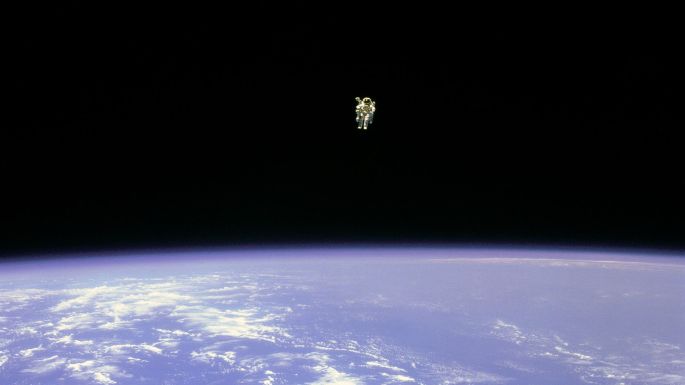
 I think about this in relation to various decisions we have to make; crossroads that arise in life. Sometimes, when we think we’re on a singular course, we remain tethered to the crossroad, able to go back should failure occur.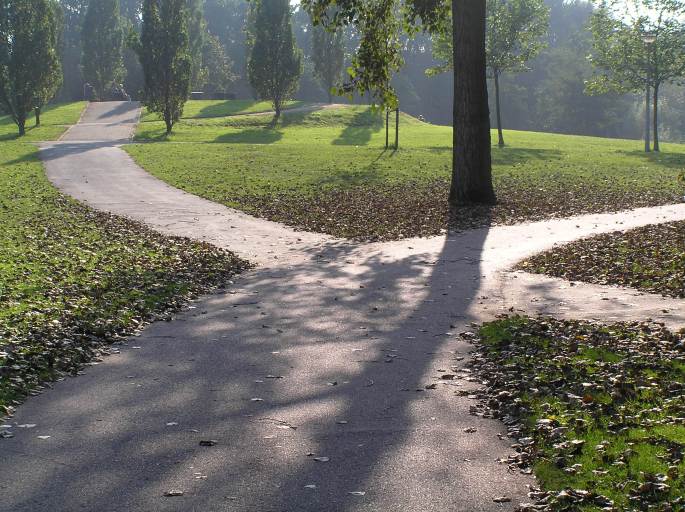
 Michael's Musings