I wrote this post several years ago, once again thinking of the tragic events of that time. Recalling it following last week’s tragedy, I thought I would post it again.
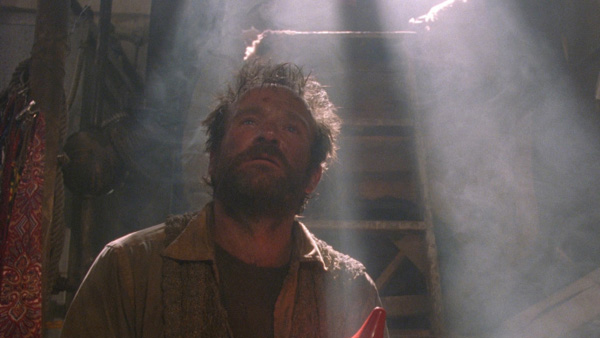
I was doing some cleaning last night, and I came across a memoriam for Robin Williams. Just over a month ago, Mr. Williams took his own life, and the subject of depression and mental illness took to the forefront of our collective conversations. How can we help? What can we do?
And what has been decided, I wonder?
The shootings in Ferguson and in other cities; schools where gunmen take others’ lives, or their own; domestic violence or sexual abuse; brutal murders in the Middle East – there is no shortage of tragedy that can keep our attention. But once our attention moves to the next “big thing”, what happens to those conversations?
Too often we sit idly by, talking about a tragic event until another occurs, and then we tune off. Sadly we are reminded because a similar event is coming, sooner rather than later. And when we stop talking about it, whose responsibility is it to keep the conversation alive?
I posit that it falls to the arts. It is the responsibility of artists, organizations and forms to provoke thought, and keep focus on events that the population as a whole might otherwise forget about. Sometimes that leads to protests. The NY Times article, “At Met’s Opening Night, Protesting a Production,” (9/22/14) illustrates how incendiary the arts can be. “Several hundred protesters gathered outside the Met before the performance of Mozart’s “Le Nozze di Figaro” for a noisy demonstration calling for the company to cancel its production of Johan Adams’s 1991 opera, “The Death of Klinghoffer,” which is to have its Met premiere next month.”
The titular Klinghoffer was a Jewish passenger aboard a cruise ship who was murdered by Palestinian hijackers. Considering the relationship between Israel and Palestine, it’s understandable that such a show could cause backlash. Former Gov. George E. Pataki called the production “the wrong show at the wrong time.”
Prior to the Met listing “The Death of Klinghoffer” in its season, how many Americans were familiar with the story? And if an opera, an art form which has been in declining attendance at least over the past few years, can spur conversations, isn’t that a good thing?
And there are many other cases. Thomas Cott curates a daily email, and today’s included the story of the Met, as well as other sensitive issues. (Read it here). When you’re dealing with hot-button issues, someone is going to protest. But if you let the controversies silence the arts, and the conversations themselves stop happening, eventually something tragic is going to happen again.


 Michael's Musings